The Challenge
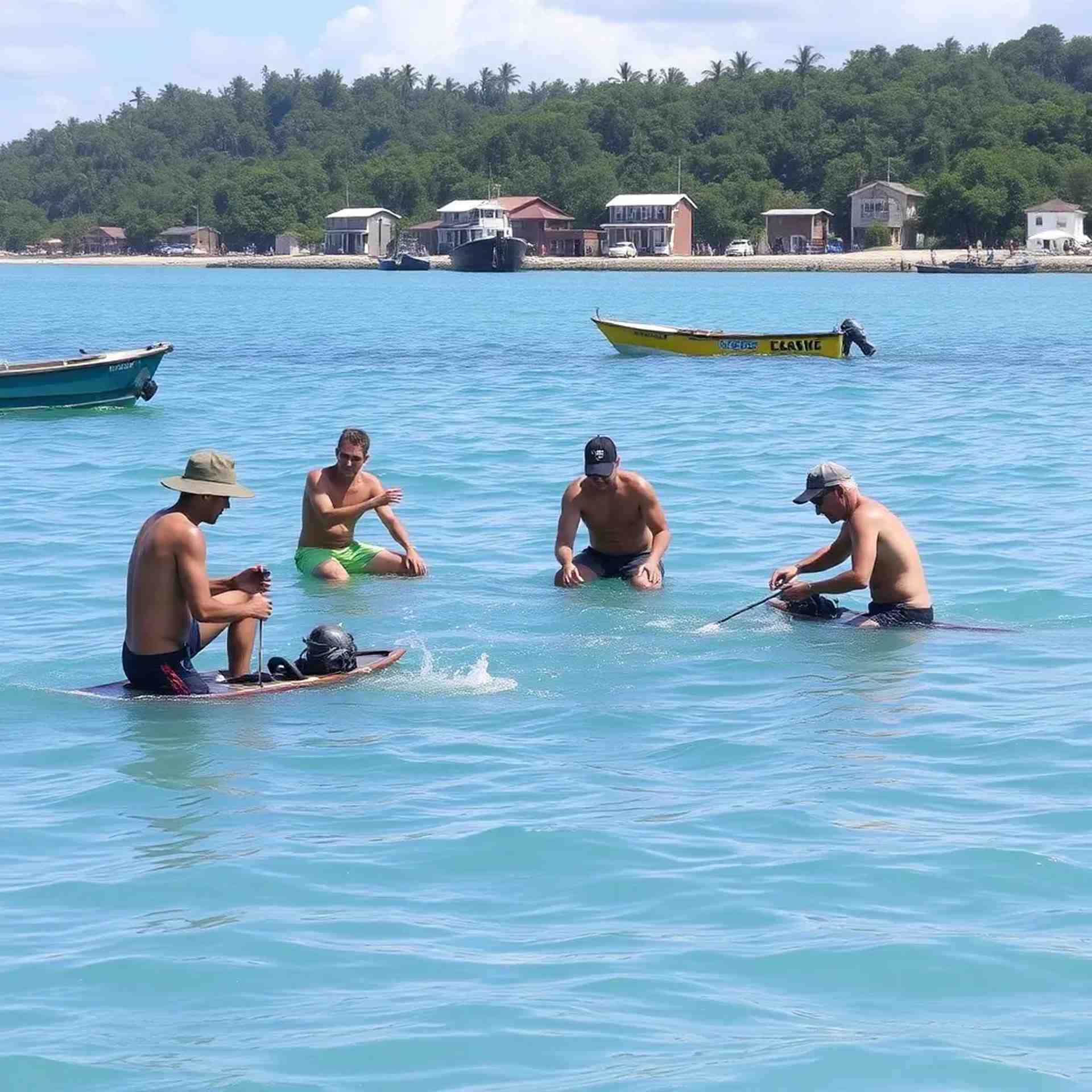
In 2021, Kampung Mangkok faced a fishing crisis. Catches had declined by 60% over five years, forcing many younger fishermen to seek work elsewhere. Traditional fishing grounds showed signs of severe depletion, with smaller fish sizes and reduced species diversity. The 85-household fishing community was at risk of economic collapse.
Community leader Pak Hassan approached XoGerum after hearing about our work in neighboring areas. "We were desperate," he recalls. "Our fathers and grandfathers fished these waters successfully for generations, but suddenly we were catching almost nothing. We knew something had to change, but we didn't know where to start."
The Intervention
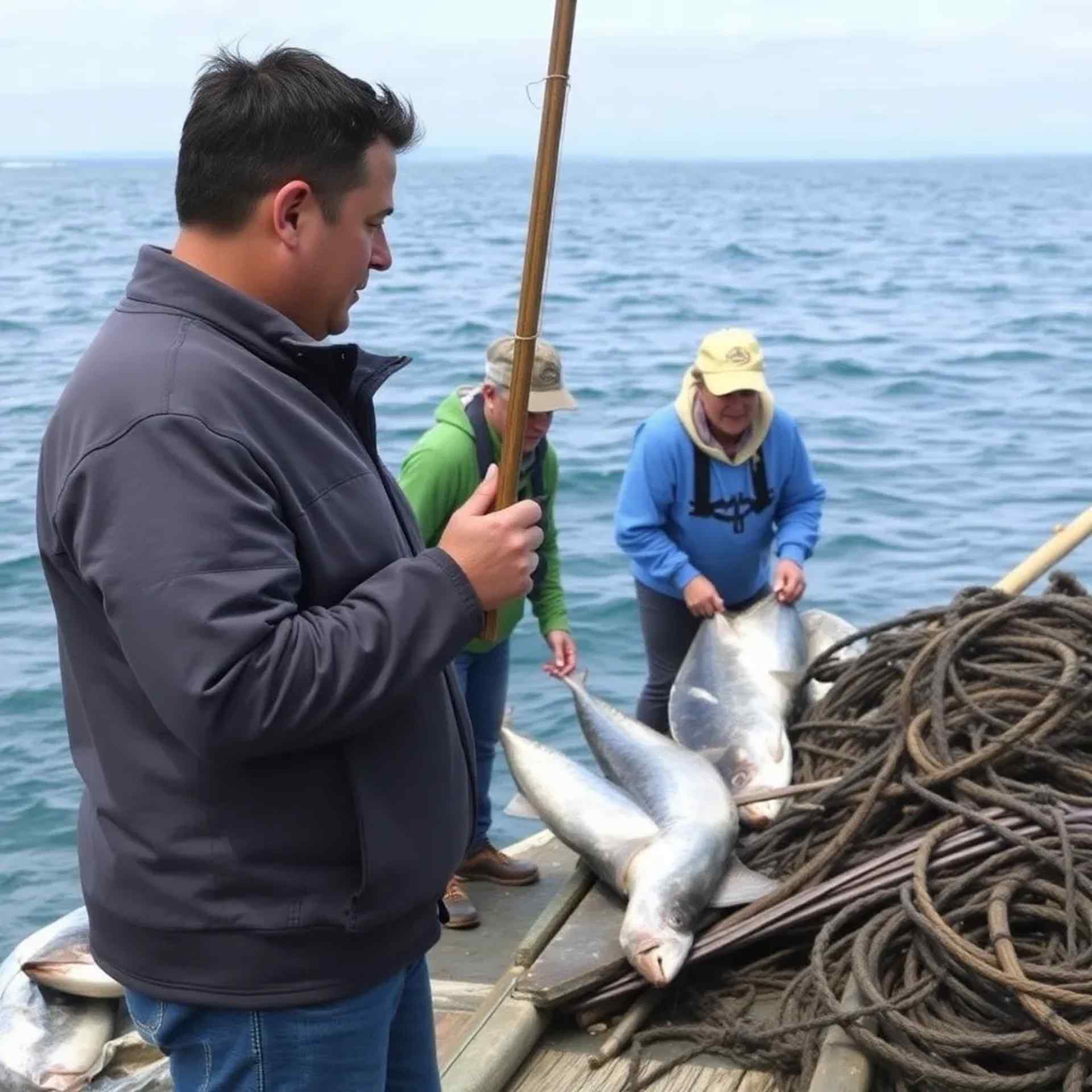
Kampung Mangkok enrolled in our Advanced Development Program in early 2021. The first six months focused on assessment and community engagement. Our team conducted fish stock surveys, mapped traditional fishing grounds, and facilitated community discussions about sustainable management.
Initial Assessment & Community Mapping
Comprehensive survey of fish stocks, fishing practices, and community needs. Elders shared traditional knowledge about historical fishing patterns and seasonal variations.
Cooperative Formation & Training Launch
Established Kampung Mangkok Fishing Cooperative with 45 member families. Began training on sustainable fishing practices, gear modifications, and cooperative management.
Marine Protected Zones Established
Community designated three no-take zones covering 15% of traditional fishing grounds. Implemented rotational fishing schedule for remaining areas.
Market Linkage Program
Connected cooperative to restaurants in Kuala Terengganu and initiated direct selling program. Improved cold storage and transportation systems.
First Positive Results
Catch monitoring showed 15% increase in catch per unit effort. Fish size measurements indicated population recovery beginning.
Expanded Conservation & Tourism
Launched community-based marine tourism program. Five fishermen trained as snorkeling guides, generating alternative income while promoting conservation.
Key Strategies
- Rotational Fishing Zones: Community divided waters into four zones, with one resting each season to allow stock recovery
- Gear Modifications: Increased net mesh size by 2cm, allowing juvenile fish to escape while retaining market-size catches
- Catch Monitoring: Daily log system tracking catches by species, size, and location - building community science database
- Value Chain Improvement: Direct marketing to restaurants eliminated middlemen, increasing prices by 35%
- Livelihood Diversification: Marine tourism, fish processing, and reef monitoring created alternative income sources
"Three years ago, I was ready to leave fishing and find work in the city. Today, I earn more than I ever did, the fish are coming back, and I'm teaching my son sustainable practices. This program saved our community."
Results & Impact
By late 2024, Kampung Mangkok had achieved remarkable transformation. Catch per unit effort increased 28% compared to 2021 baseline. More importantly, fish size measurements and species diversity indicators showed clear ecosystem recovery. The three marine protected zones showed fish populations 60% higher than fished areas.
Economic outcomes exceeded expectations. Average fishing household income increased 42%, despite slightly lower catch volumes. This was achieved through better prices from direct marketing, improved fish quality, and alternative income from tourism. The cooperative's cold storage facility reduced spoilage losses from 18% to under 3%.
Social impacts proved equally significant. Youth out-migration reversed, with five young people returning from urban jobs to participate in the fishing cooperative and tourism activities. Women's participation in cooperative governance and fish processing created new economic opportunities and strengthened community decision-making.
Lessons Learned
Community Ownership is Critical: The program succeeded because the community drove decision-making. External facilitators provided knowledge and connections, but Kampung Mangkok fishermen designed and implemented their management system.
Economic Benefits Must Be Visible: Early income improvements through market linkages built trust for longer-term conservation investments. Fishermen need to see that sustainable practices benefit their families.
Traditional Knowledge + Modern Science: Combining elders' knowledge of seasonal patterns with scientific monitoring created more effective management than either approach alone.
Patience and Persistence: Ecosystem recovery takes time. The first year showed minimal catch improvements, testing community commitment. Sustained support through this period proved essential.
The Challenge
Pulau Perhentian's stunning coral reefs attracted hundreds of thousands of tourists annually, but this very popularity threatened the marine ecosystems that local fishermen depended upon. Anchor damage, pollution, and overfishing degraded reefs. Fishermen felt marginalized as tourism dominated the local economy, and conflicts between fishing and diving interests escalated.
The Transformation
Our work with Perhentian fishing communities reframed the tourism-fishing conflict as an opportunity for fishermen to lead marine conservation while capturing tourism benefits. The key insight: tourists valued pristine reefs that healthy fisheries also required.
We facilitated negotiations between fishermen, dive operators, and island authorities to establish a community-managed Marine Protected Area. Rather than excluding fishermen, the MPA design employed them as reef guardians, patrol officers, and snorkeling guides. This created alternative income while protecting marine resources.
Twenty-five fishermen received training in dive guiding, reef monitoring, and tourism services. These skills enabled career transitions while maintaining connection to the sea. Former fishermen now earn higher, more stable incomes from tourism while advocating for reef protection.
"I never imagined I'd stop fishing, but now I earn twice as much showing tourists the underwater world. And because we protect the reefs, my brother's fishing catches have actually improved. Everyone wins."
Impact & Sustainability
The Perhentian MPA demonstrated that fishermen and tourism can coexist beneficially. Fish populations in protected areas increased 40% within three years, creating spillover that improved catches in adjacent fishing zones. Dive operators reported improved reef health and tourist satisfaction, generating additional revenue they share with the community.
The revenue-sharing mechanism proved crucial for sustainability. Dive operators contribute RM 15 per diver to a community conservation fund, generating over RM 180,000 annually. This funds MPA patrols, reef restoration, and community development projects, ensuring long-term conservation financing.
The Challenge
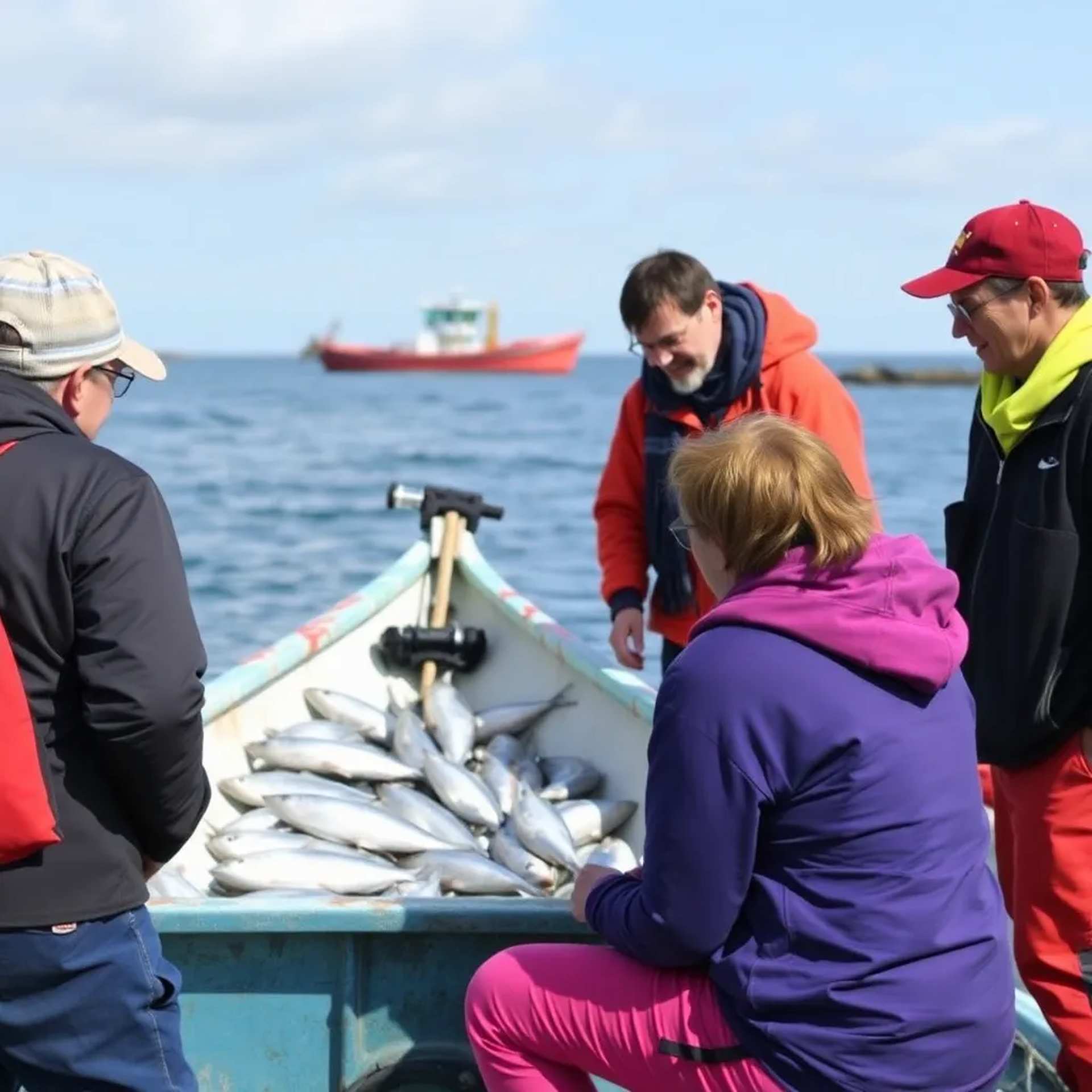
In Langkawi's fishing communities, women performed essential post-harvest work - cleaning, processing, and selling fish - yet had little control over income or business decisions. Traditional processing methods limited product shelf life and value. Women had ideas for improvement but lacked business training, capital access, and market connections.
Building Women's Economic Power
The Langkawi Women's Fish Processing Cooperative emerged from our gender-responsive business development program. We worked with 65 women to form a cooperative, access microfinance, and develop value-added fish products. The cooperative invested in improved processing equipment, hygiene systems, and packaging that enabled product certification.
Product innovation drove success. Women developed twelve value-added products including dried fish, fish crackers, fish balls, sambal, and ready-to-cook meals. These products commanded prices 3-5 times higher than fresh fish while reducing waste. The cooperative's products now sell in supermarkets across Kedah and Penang.
Business training covered financial management, marketing, quality control, and cooperative governance. Women who previously had no formal business education now manage a cooperative with monthly revenue exceeding RM 45,000 and maintain professional accounting and quality standards.
"Before the cooperative, I earned maybe RM 500 per month selling fresh fish. Now I earn RM 1,500-2,000, my children are in college, and I'm teaching other women business skills. We've shown that women can lead successful enterprises."
Broader Community Impact
The cooperative's success rippled through the community. Household incomes increased 125% on average, enabling investments in children's education. School attendance rates for girls improved 30%, and three cooperative members' daughters now attend university - the first in their families to do so.
Women's empowerment extended beyond economics. Cooperative members now participate actively in community decision-making, including fisheries management discussions previously dominated by men. Their business success commands respect and has shifted gender dynamics throughout the village.
The Challenge
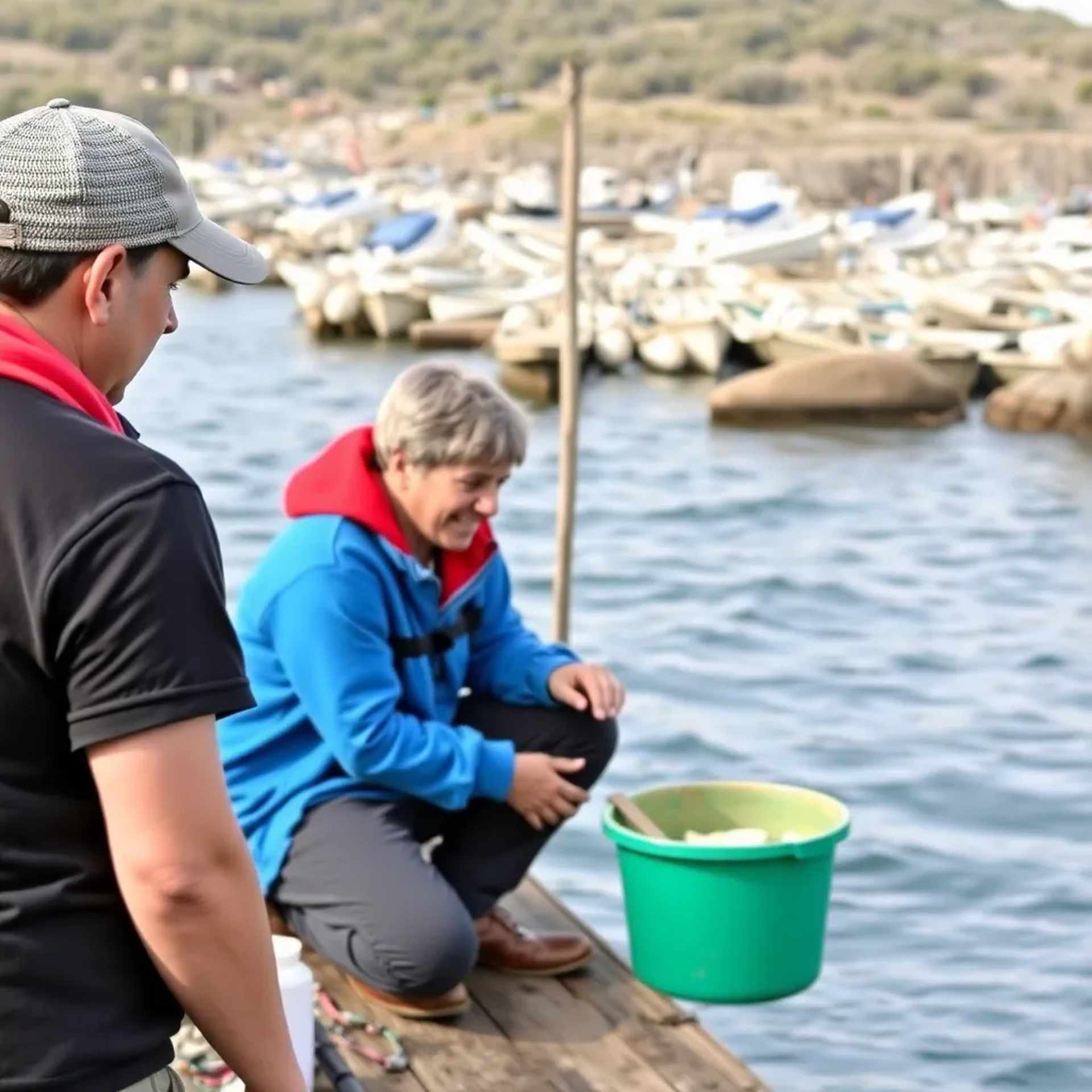
Kuantan's coastal fishing communities experienced dramatic catch declines following mangrove deforestation for coastal development. Shrimp and juvenile fish populations plummeted as critical nursery habitat disappeared. Erosion increased, threatening coastal homes. The connection between mangrove loss and fisheries decline was clear, but community members felt powerless to address large-scale environmental destruction.
Community-Led Restoration
Our ecosystem restoration program empowered Kuantan communities to become agents of environmental recovery. We facilitated partnerships with government forestry departments and environmental NGOs to access degraded mangrove areas for restoration. Communities received training in mangrove ecology, nursery management, and planting techniques.
Over six years, community volunteers replanted 52 hectares of mangroves with 85% survival rates - exceeding typical restoration outcomes. The key to success: community members understood mangrove-fisheries connections personally and were invested in success. Regular monitoring and adaptive management addressed issues quickly.
Fisheries recovery proved dramatic. Within three years, shrimp post-larvae populations in restored areas matched undisturbed mangrove sites. Juvenile fish counts increased 85% compared to pre-restoration baselines. These population recoveries translated directly into improved adult fish catches, increasing catch value by 55%.
"When we first started planting mangroves, some people laughed at us. They said it wouldn't make a difference. But now, five years later, everyone sees the shrimp coming back, the fish coming back. Nature can recover if we give it a chance."
Beyond Fisheries: Multiple Benefits
Mangrove restoration delivered benefits beyond fisheries recovery. Coastal erosion rates decreased significantly in restored areas, protecting homes and infrastructure. The community documented reduced wave impacts during storms, attributing this to mangrove wave attenuation.
Carbon sequestration benefits attracted corporate sustainability funding. A Malaysian corporation invested RM 200,000 in restoration expansion to offset their carbon emissions, providing employment for community members and accelerating restoration. This sustainable financing model ensures program continuation.
The restoration site now serves as an educational destination, with community members trained as environmental educators leading school visits and corporate team-building activities. This ecotourism revenue provides additional income while building broader support for conservation.
The Challenge
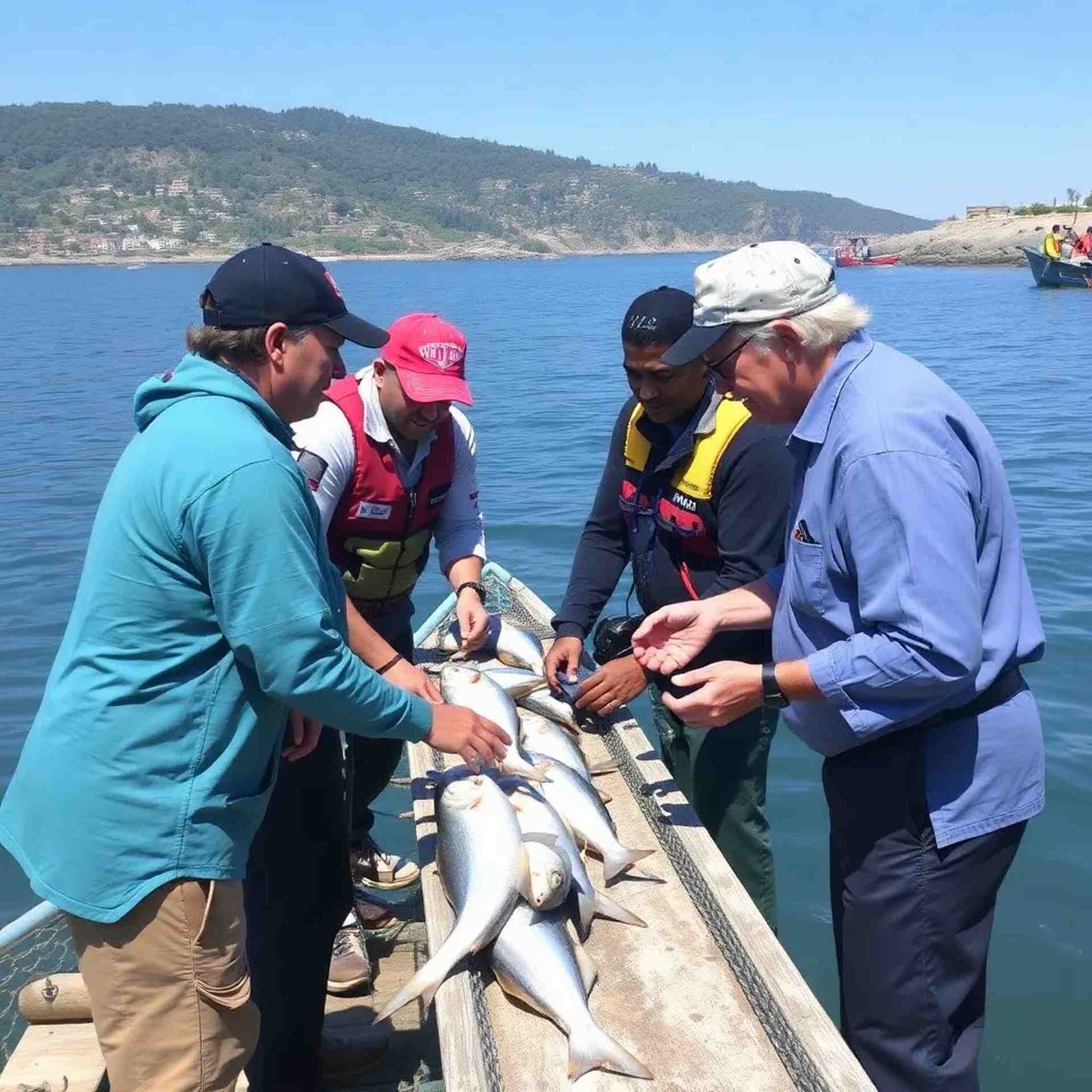
Kota Kinabalu fishing villages faced a demographic crisis. Young people consistently left for urban employment, perceiving fishing as backward and unprofitable. The average fisherman age exceeded 55, and communities worried about cultural continuity and economic viability. Traditional knowledge risked being lost as elders aged without successors.
Making Fishing Attractive Again
Our youth engagement program transformed fishing from "old-fashioned" to innovative and entrepreneurial. We worked with 35 young people aged 18-30, providing training in modern fishing technologies, business development, digital marketing, and sustainable practices. The goal: demonstrate that fishing could provide competitive incomes and meaningful careers.
Technology adoption proved transformational. Young fishermen embraced GPS fish finders, mobile catch-tracking apps, and social media marketing. They established direct-to-consumer sales through Facebook and WhatsApp, capturing retail margins and building personal brands. Several launched value-added businesses including seafood catering, fishing tourism, and marine photography.
Mentorship from older fishermen ensured traditional knowledge transfer. The program paired young entrepreneurs with elder fishing experts, creating intergenerational learning. Young people gained fishing wisdom and ocean knowledge while sharing technology skills with elders. This mutual respect bridged the generation gap.
"I worked in a Kota Kinabalu hotel for three years, earning RM 1,800 monthly. Now I run my own fishing and eco-tour business, earning RM 3,500-4,500 monthly, setting my own schedule, and living in my home village near family. Coming back was the best decision I ever made."
Results & Future Outlook
Thirty-five young people returned to fishing villages, and youth out-migration completely halted in participating communities. More remarkably, returned youth earned 75% more on average than comparable urban entry-level jobs, demolishing the perception that fishing meant poverty.
Eight new fishing-related businesses launched, including a seafood processing and delivery service, two fishing charter operations, a marine conservation social enterprise, and three value-added product companies. These businesses employ additional community members and demonstrate entrepreneurial possibilities in the fishing sector.
Education outcomes also improved. With families earning higher incomes and seeing professional opportunities in fishing, investment in children's education increased. Every participant's school-age child now attends school regularly, and the university enrollment rate reached 100% for qualifying students - unheard of previously.
The program sparked cultural revitalization. Youth pride in fishing heritage increased, traditional boat-building skills experienced renewed interest, and communities celebrated their marine culture publicly. Annual fishing festivals now attract urban visitors, generating tourism revenue while building community identity.
The Challenge
Selangor fishing communities, despite proximity to Malaysia's largest urban market (Kuala Lumpur), received minimal value for their catches. Middlemen controlled market access, paying fishermen as little as 25% of retail prices. Fishermen lacked cold storage, transportation, and market information, leaving them with no negotiating power. Fresh fish quality deteriorated through multiple handling steps before reaching consumers.
Digital Direct Marketing
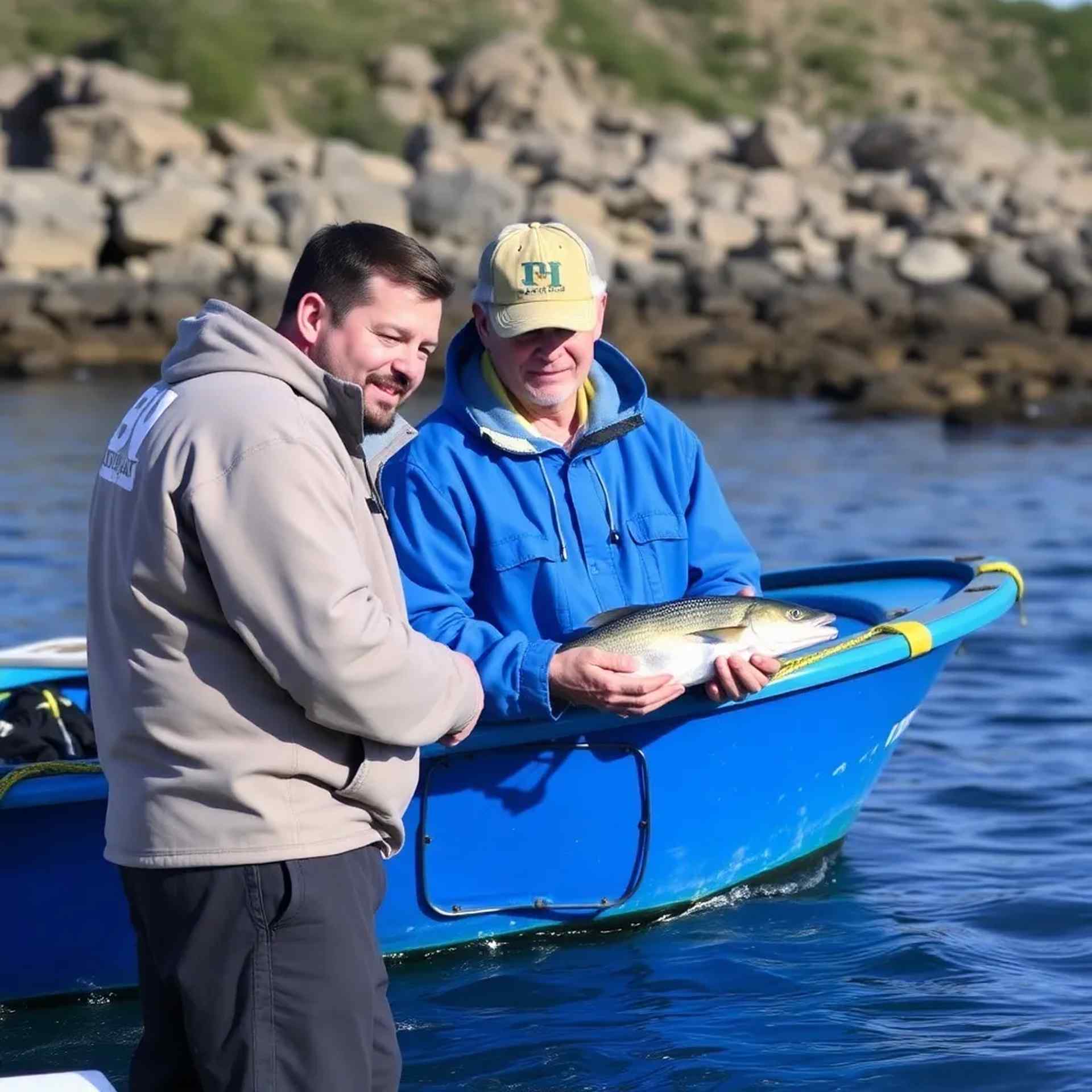
The Selangor Fresh Fish Direct program leveraged technology to connect fishermen directly to urban consumers. We worked with 45 fishermen to establish a WhatsApp-based ordering system, Facebook marketing presence, and daily delivery service to Kuala Lumpur and Petaling Jaya.
The model is elegantly simple. Fishermen photograph their catch each morning and post to a WhatsApp group and Facebook page. Customers place orders before noon for same-day delivery. Cooperative staff aggregate orders, coordinate with fishermen, pack fish with ice, and deliver to collection points or directly to customer homes. Payment is via online banking or cash on delivery.
Infrastructure investments made this possible. The cooperative installed solar-powered cold storage at the landing site, purchased insulated transport boxes and ice-making equipment, and hired two delivery drivers. These investments were recouped within eight months through improved margins.
"My customers know my name, message me directly to ask about the catch, and pay me fair prices. The fish go from my boat to their kitchen in 2-3 hours. Everyone is happy - customers get the freshest fish possible, and I earn three times what I used to."
Impact on Livelihoods
Price improvements exceeded expectations. Fishermen now receive prices averaging 135% higher than traditional wholesale prices, with some premium species commanding near-retail prices. For fishermen, this translated to income increases of 90-120% without catching more fish - simply by capturing more value.
Quality improvements benefited everyone. Ultra-fresh fish delivered within hours of catch commands premium prices and builds customer loyalty. The cooperative's reputation for exceptional quality has created competitive advantages, with customers willing to pay extra specifically for their fish.
The program demonstrated that digital tools accessible to anyone - WhatsApp, Facebook, online banking - could transform traditional value chains. No expensive custom technology or platforms were required, making the model replicable by other communities with minimal investment.
Customer relationships extend beyond transactions. Urban customers visit the fishing village to see operations, bring their families for fishing experiences, and become advocates for sustainable fishing. This bridge between urban consumers and fishing communities builds understanding and support for coastal conservation.
Your Community Can Achieve Similar Success
These stories demonstrate what's possible when communities receive appropriate support, training, and resources. Whether you're interested in sustainable fishing practices, business development, ecosystem restoration, or youth engagement, we can help design a program that fits your community's needs and aspirations.
Start Your Transformation Journey