The Future of Small-Scale Fisheries in Southeast Asia: Balancing Tradition and Innovation
As coastal communities across Southeast Asia face unprecedented challenges from climate change, overfishing, and market pressures, the question of how to preserve traditional fishing practices while embracing sustainable innovation has never been more critical. This comprehensive analysis explores successful integration strategies from 15 coastal communities across Malaysia, Indonesia, and Thailand.
Small-scale fisheries contribute significantly to food security, livelihoods, and cultural identity in Southeast Asia. However, these communities are often the first to experience the impacts of environmental degradation and economic shifts. Through our work with over 150 fishing communities, we've identified key principles that enable successful transitions to sustainable practices without abandoning valuable traditional knowledge.
Understanding Traditional Ecological Knowledge
Traditional ecological knowledge (TEK) accumulated over generations provides invaluable insights into marine ecosystems, seasonal patterns, and sustainable harvest practices. In Terengganu, Malaysia, local fishermen have long used lunar cycles and weather patterns to determine optimal fishing times - knowledge that modern science is now validating through oceanographic research.
Our Foundation Program works to document and integrate this knowledge with contemporary conservation science. By respecting traditional practices while introducing selective gear modifications and catch monitoring systems, communities can maintain their cultural identity while improving sustainability outcomes.
Technology as an Enabler, Not a Replacement
The key to successful innovation lies in using technology to enhance rather than replace traditional practices. GPS-enabled fishing logs help communities track their catch patterns without changing their fishing methods. Solar-powered cold storage extends the value of catches without requiring industrial infrastructure. Mobile apps connect fishermen directly to markets while preserving cooperative selling structures.
In Langkawi, a community we've worked with for three years implemented a simple WhatsApp-based market information system. This allowed fishermen to receive fair prices for their catch while maintaining their traditional landing site and cooperative structure. The result: a 35% increase in income without any change to their fishing practices.
Join Our Programs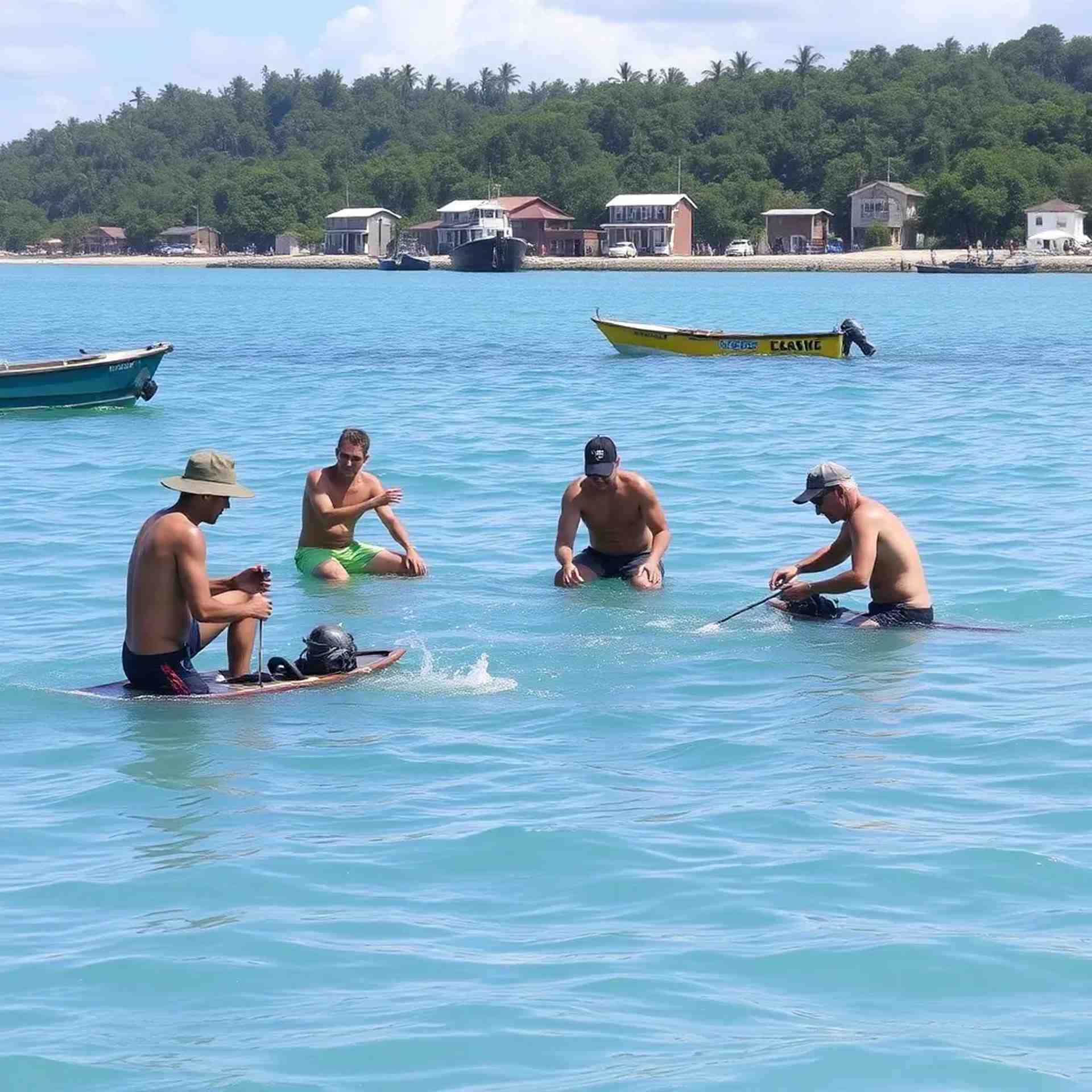
Community-Based Fisheries Management: Lessons from 50 Malaysian Villages
Community-based fisheries management (CBFM) represents a paradigm shift from top-down regulatory approaches to locally-driven conservation initiatives. After implementing CBFM frameworks in 50 Malaysian coastal villages over the past decade, we've gathered compelling evidence about what works, what doesn't, and why community ownership matters.
The success of CBFM depends on three critical factors: strong local leadership, clear resource boundaries, and effective conflict resolution mechanisms. In Kuala Terengganu, the Kampung Mangkok fishing cooperative established a rotational fishing zone system that increased catch per unit effort by 28% over three years while allowing fish stocks to recover.
Local leadership emerged as the most significant predictor of CBFM success. Communities with established decision-making structures and respected leaders were able to implement and enforce management rules effectively. Our community organization training focuses on developing these leadership capacities, recognizing that technical knowledge alone is insufficient.
Resource boundaries proved equally important. Clearly defined fishing zones with community-recognized borders reduced conflicts and enabled effective monitoring. Traditional territorial knowledge often provided the foundation for these boundaries, demonstrating again the value of integrating traditional and modern management approaches.
Effective conflict resolution mechanisms - from informal community meetings to formal arbitration processes - helped communities navigate inevitable disagreements about resource access and rule enforcement. Communities that established these mechanisms early in the CBFM process showed higher long-term compliance rates and better conservation outcomes.
Selective Fishing Gear Modifications: Reducing Bycatch While Maintaining Income
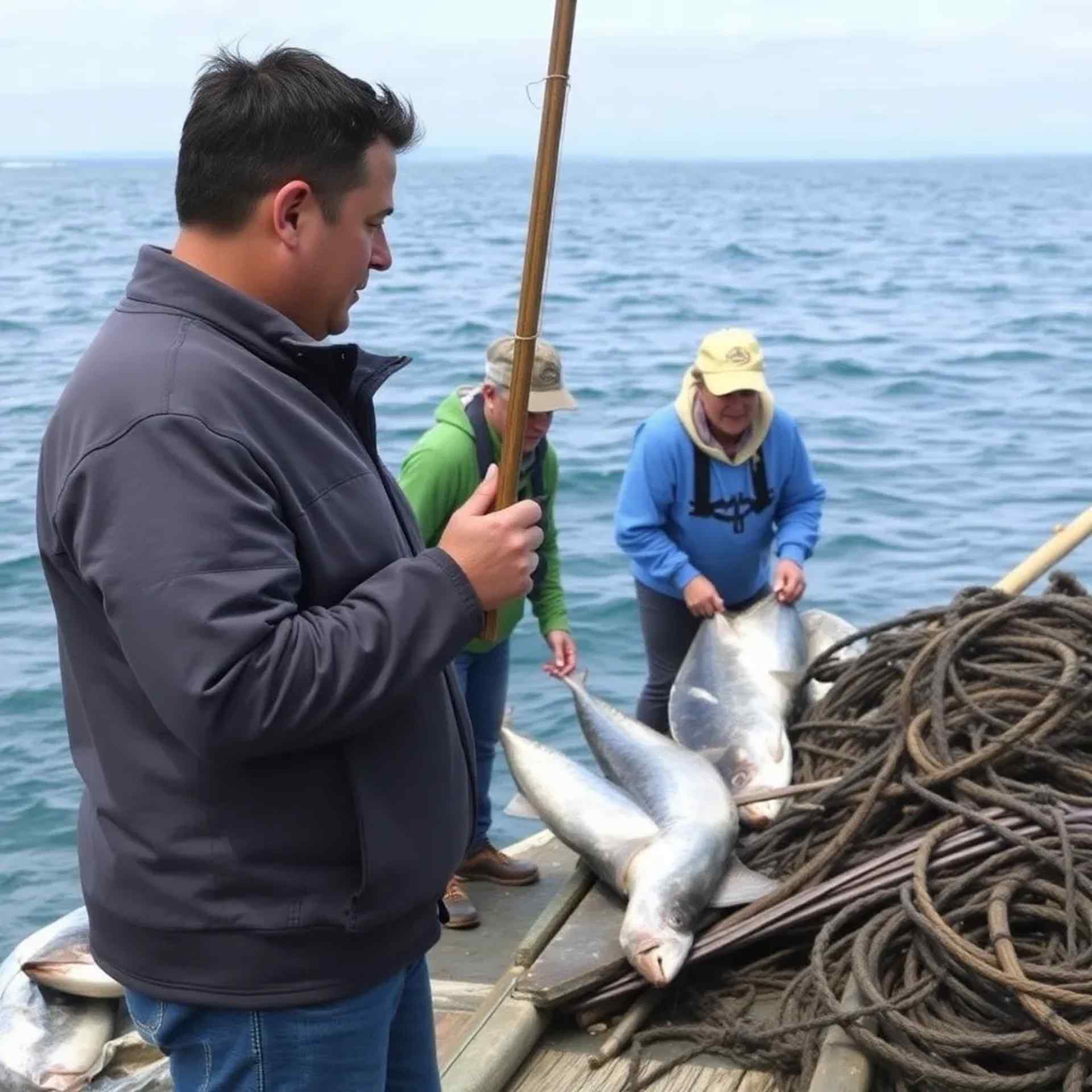
Bycatch - the unintended capture of non-target species - represents one of the most significant sustainability challenges facing small-scale fisheries. However, many fishermen resist gear modifications due to concerns about reduced catches and income. Our research across 35 fishing communities demonstrates that properly designed gear modifications can reduce bycatch by up to 70% while maintaining or even increasing target catch rates.
The key lies in understanding the specific fishery context and working collaboratively with fishermen to develop practical solutions. In Kedah, we worked with shrimp trawl fishermen to install Turtle Excluder Devices (TEDs) and Bycatch Reduction Devices (BRDs). Initial resistance was high, with fishermen concerned about losing valuable catch. However, after a six-month trial period, participants reported a 15% increase in shrimp quality (due to less crushing in nets) and a market premium for turtle-safe shrimp.
Circle hooks for longline fishing provide another success story. These hooks significantly reduce sea turtle and shark bycatch while maintaining target fish catch rates. In Pahang, longline fishermen who adopted circle hooks reported no decrease in fish catches but eliminated nearly all turtle captures - a major conservation win that also reduced time spent disentangling turtles from gear.
Net mesh size modifications offer perhaps the simplest yet most effective gear change. Slightly larger mesh sizes allow juvenile fish to escape while retaining mature fish. This approach directly addresses stock depletion by protecting breeding populations. In multiple communities, fishermen who increased mesh size by just 1-2 cm reported larger average fish sizes and better market prices within two fishing seasons.
The transition to modified gear requires support. Our programs provide initial gear at cost, technical training, and monitoring support. We also facilitate market connections that reward sustainable practices through certification or direct buyer relationships. This comprehensive approach addresses both the technical and economic aspects of gear modification.
Climate Adaptation Strategies for Coastal Fishing Communities
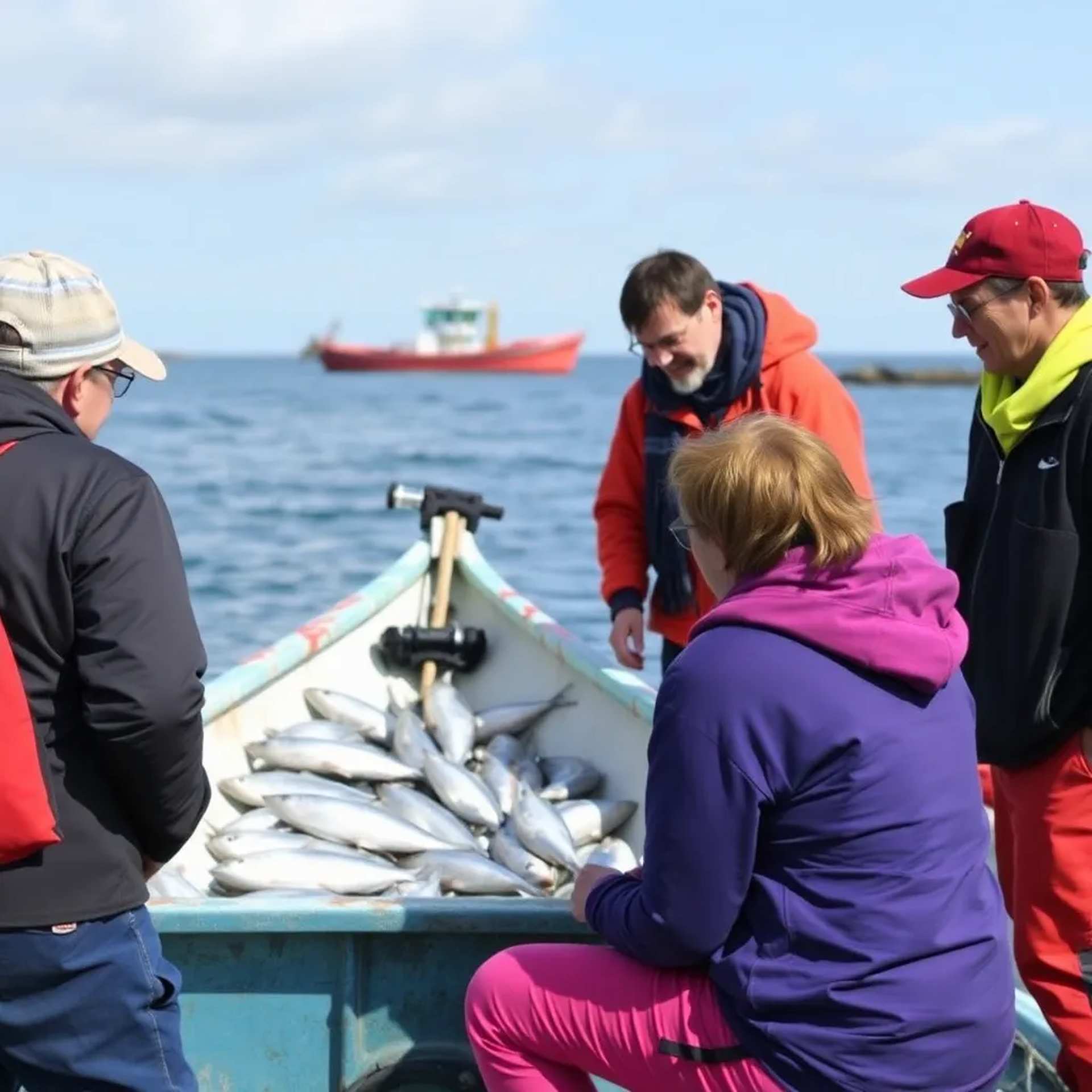
Climate change impacts on coastal fishing communities extend far beyond rising temperatures. Changing weather patterns, sea level rise, coral bleaching, ocean acidification, and shifting fish distributions create complex, interconnected challenges that demand comprehensive adaptation strategies. Our climate adaptation framework, developed through work with 40+ communities, addresses both immediate vulnerabilities and long-term resilience building.
Unpredictable weather patterns pose immediate safety and economic risks. Traditional weather knowledge that guided fishing decisions for generations is becoming less reliable. To address this, we've introduced communities to mobile-based weather forecasting services while working with elders to document changes in traditional weather indicators. This hybrid approach respects traditional knowledge while providing additional safety information.
Livelihood diversification emerges as a critical adaptation strategy. Communities dependent solely on fishing face extreme vulnerability to climate-driven stock changes. Our programs support development of complementary income sources: coastal tourism, seaweed farming, fish processing, and marine conservation activities. In Sabah, a community diversified into homestay tourism and mangrove restoration work, reducing fishing dependence from 100% to 65% of household income while improving ecosystem health.
Ecosystem-based adaptation leverages natural systems to buffer climate impacts. Mangrove restoration protects coastal areas from storm surge while providing nursery habitat for fish. Seagrass bed conservation maintains fish populations and stores carbon. Coral reef protection sustains fish communities and wave attenuation. These nature-based solutions deliver multiple benefits while building long-term resilience.
Infrastructure adaptation addresses physical climate risks. Elevated fish landing areas, improved drainage systems, and climate-resilient cold storage facilities protect community assets and livelihoods. Our partnership facilitation connects communities with government climate adaptation funding and technical support for these infrastructure improvements.
Empowering Women in Fisheries: Beyond the Boat
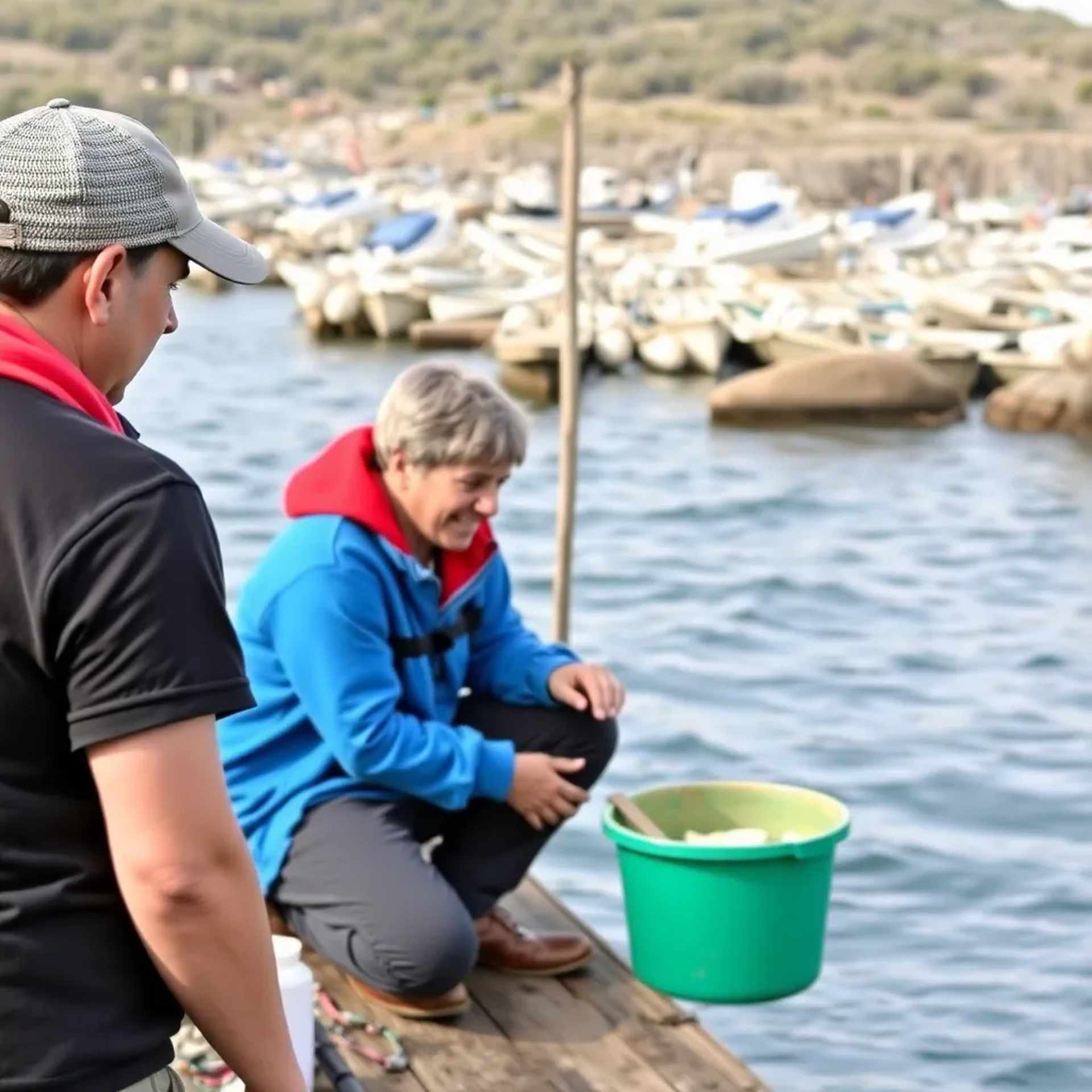
Women play crucial roles throughout the fisheries value chain, yet their contributions often remain invisible in fisheries management and development programs. In Southeast Asian fishing communities, women dominate post-harvest activities including processing, marketing, and financial management. Despite this, they rarely participate in decision-making processes or receive targeted support for their activities.
Our gender-responsive programming recognizes that strengthening women's roles benefits entire communities. When women control income from fish processing and sales, household food security and children's education outcomes improve significantly. In Kelantan, we worked with a women's fish processing cooperative to improve product quality, access certification, and connect with urban markets. Average household income increased by 45%, and school attendance rates for girls improved by 30%.
Access to credit and business training specifically designed for women's fisheries activities creates economic opportunities. Many women operate small-scale fish processing or retail businesses but lack formal business skills or collateral for loans. Our women-focused business development program provides training in financial management, marketing, and product development, alongside microfinance access. Over 400 women have launched or expanded fisheries-based businesses through this program.
Women's participation in fisheries management decision-making leads to more comprehensive and effective policies. Women bring different perspectives on resource use, focusing on long-term sustainability and household food security. Communities that included women in management committees showed better compliance with fishing regulations and more innovative solutions to resource conflicts.
Childcare and time poverty constrain women's participation in meetings and training programs. We address this by scheduling activities around women's work patterns, providing childcare during meetings, and bringing training to communities rather than requiring travel. These practical accommodations dramatically increase women's participation rates.
Community-Managed Marine Protected Areas: Conservation That Benefits Fishermen
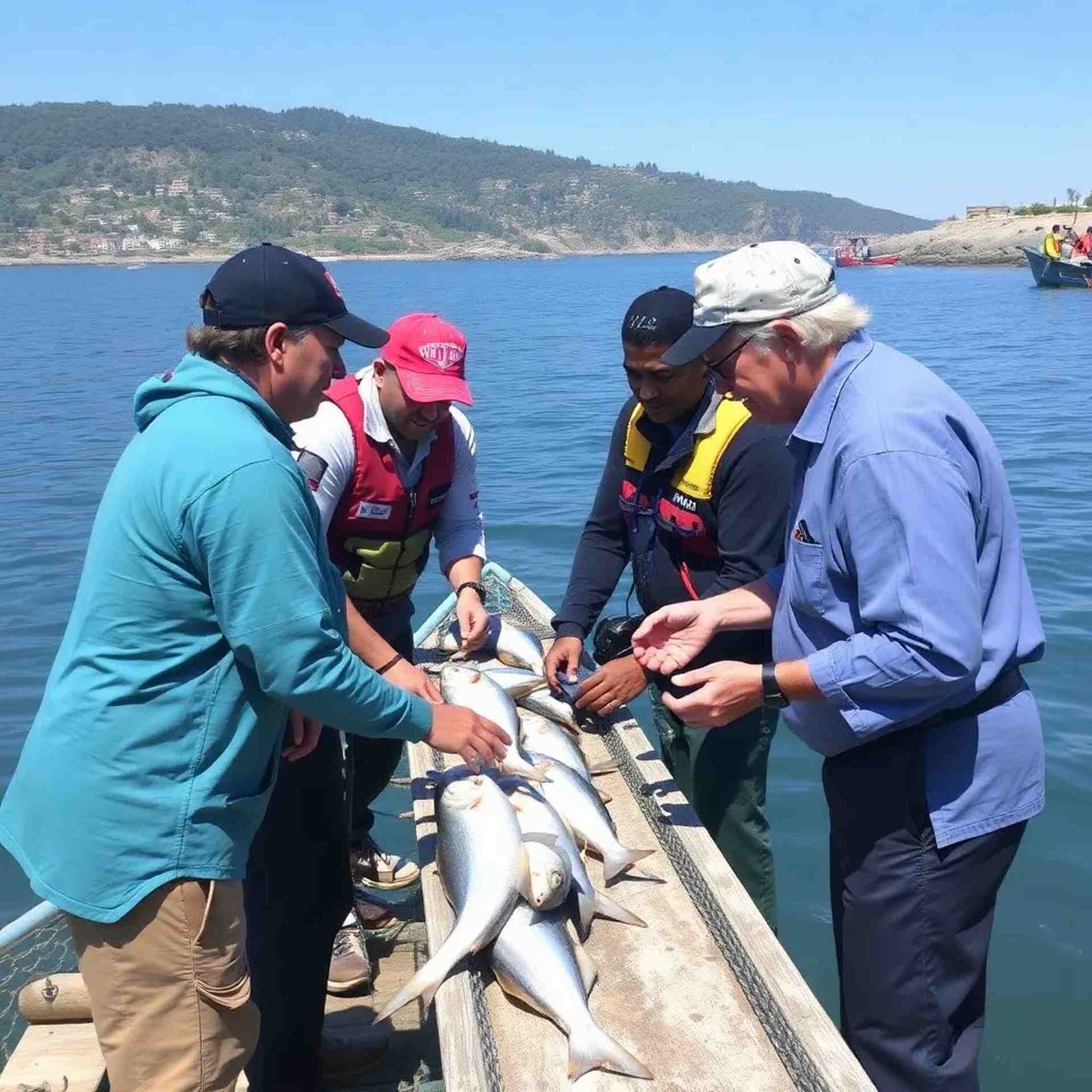
Marine Protected Areas (MPAs) often face local opposition from fishing communities who fear lost access to fishing grounds and reduced income. However, when designed and managed by communities themselves, MPAs can deliver significant benefits for both conservation and livelihoods. Our experience supporting 18 community-managed MPAs demonstrates that local ownership transforms protected areas from restrictions into assets.
The establishment process determines MPA success. Top-down designation of protected areas without community consultation invariably leads to resistance, illegal fishing, and enforcement challenges. In contrast, our bottom-up approach works with communities to identify areas they wish to protect, define boundaries based on local knowledge, and develop management rules that communities will follow. This process typically takes 12-18 months but results in MPAs with high compliance and community pride.
Spillover effects provide tangible benefits to fishermen. As fish populations recover within protected areas, adult fish migrate into surrounding waters where they can be legally caught. In Pulau Perhentian, a no-take zone established by the local fishing cooperative led to a 40% increase in catch rates in adjacent fishing areas within three years. Fishermen became the strongest advocates for protecting the MPA from poaching.
Alternative livelihoods within MPAs create direct community benefits. Dive tourism, snorkeling guide services, and marine research support generate income while incentivizing conservation. In Tioman, former fishermen now earn higher incomes as dive guides and MPA patrol officers than they did from fishing. This economic transition required training, equipment, and market connections - all components of our Advanced Development Program.
Monitoring by community members builds scientific knowledge while ensuring compliance. Trained community monitors collect fish population data, record violations, and document ecosystem health. This data informs adaptive management decisions and provides communities with evidence of MPA effectiveness. It also creates employment opportunities and builds local technical capacity.
Direct Market Access: Helping Fishermen Capture More Value
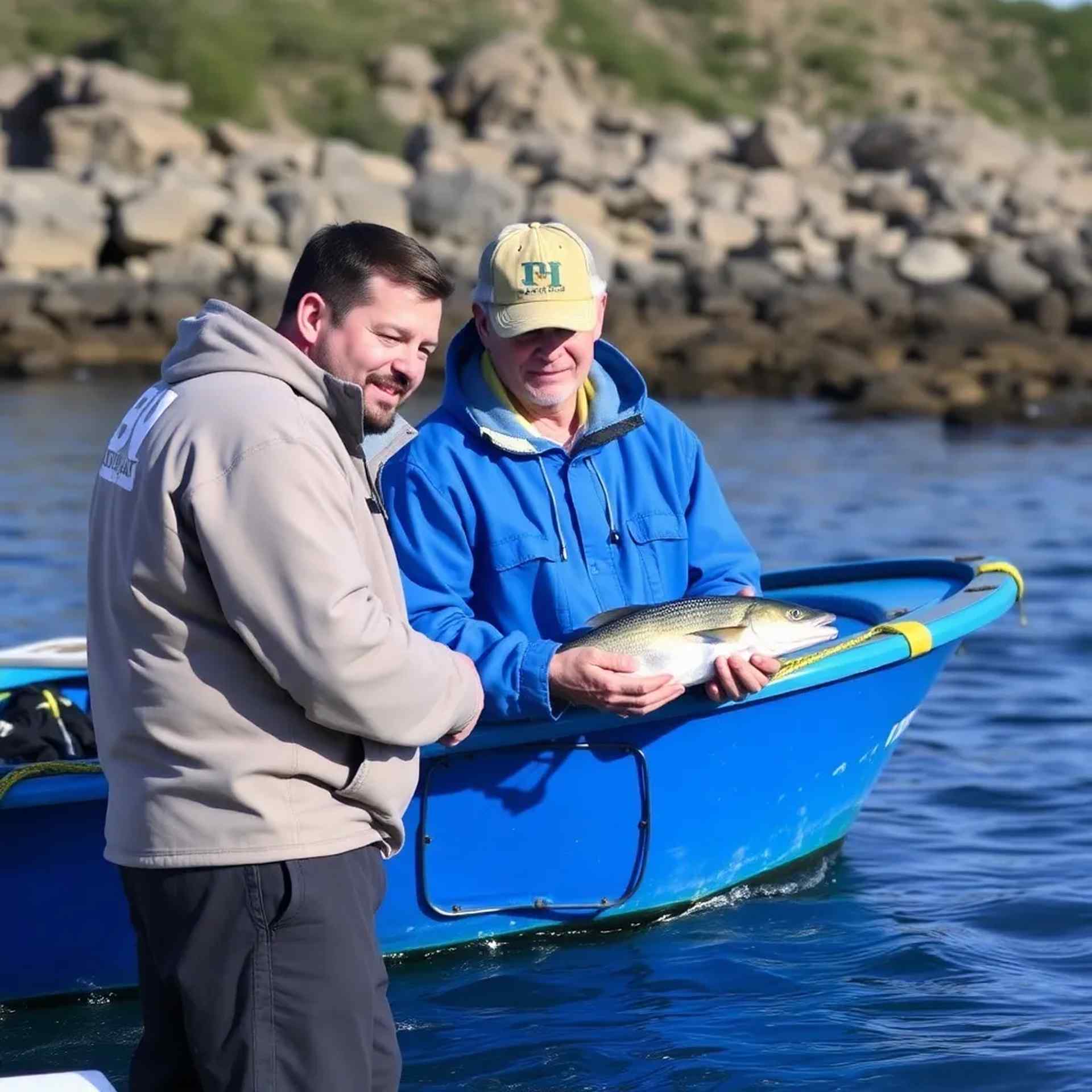
Small-scale fishermen often receive only 20-30% of the final retail price of their catch, with the majority captured by middlemen and retailers. This value gap results from limited market information, lack of transportation and cold storage, and weak bargaining power. Our market access programs work to shorten value chains and increase the share of revenue reaching fishing communities.
Cooperative marketing strengthens negotiating power. When fishermen sell collectively rather than individually, they can negotiate better prices and access markets that require consistent supply volumes. In Selangor, we helped establish a fishing cooperative that aggregates catch from 45 fishermen and sells directly to restaurants and hotels. Average prices increased by 35%, and payment terms improved from cash-on-delivery to net-15 days, improving cash flow.
Cold storage and transportation infrastructure enable access to distant, higher-value markets. We've supported communities in installing solar-powered cold rooms at landing sites and establishing collective delivery systems. This infrastructure allows communities to hold catch for better prices, access urban markets, and reduce spoilage losses that previously reached 15-20% of catch value.
Digital platforms connect fishermen directly to consumers. Mobile apps and social media marketing allow communities to sell premium fresh fish directly to urban consumers, capturing retail margins. In Penang, a fishing community established a Facebook-based ordering system with daily delivery to Georgetown. They now sell 60% of their catch at near-retail prices, dramatically improving incomes.
Quality and traceability certifications command premium prices in export and high-end domestic markets. Our programs support communities in obtaining certifications like Marine Stewardship Council (MSC) for sustainable fisheries or Best Aquaculture Practices (BAP) for aquaculture products. Certified products typically command 20-40% price premiums, providing economic incentives for maintaining high standards.
Keeping Youth in Fishing: Making Traditional Livelihoods Attractive to New Generations
Across Southeast Asia, young people are leaving fishing communities for urban opportunities, threatening the future of small-scale fisheries and coastal communities. The average age of fishermen in Malaysia has increased from 35 to 52 over the past two decades. Without youth engagement, traditional knowledge will be lost, and communities will decline. Our youth retention programs address the factors driving young people away while making fishing more economically and socially attractive.
Income and economic security rank as the primary concerns. Young people perceive fishing as low-income and uncertain compared to urban employment. We address this through business development training that helps young fishermen improve profitability through value addition, direct marketing, and diversification. In Johor, young fishermen participating in our entrepreneurship program reported average incomes 65% higher than traditional fishing alone, primarily through seafood processing and tourism activities.
Technology and innovation appeal to youth sensibilities. Introducing GPS fish finders, mobile market apps, and social media marketing makes fishing feel modern rather than backward. Young fishermen become community technology champions, helping older fishermen adopt useful innovations while maintaining respect for traditional knowledge. This intergenerational collaboration strengthens rather than displaces tradition.
Social status and community pride matter enormously. When fishing is portrayed negatively or fishing communities are marginalized, young people seek alternatives. Our programs work to celebrate fishing culture, recognize successful young fishermen, and connect youth with broader networks of fishing communities. Regional youth fisher forums allow young people to share experiences, innovations, and support.
Education and skill development create pathways within fishing rather than away from it. Fisheries management training, marine ecology education, business skills, and leadership development equip young people with capacities to transform their communities. Many program participants have become community leaders, cooperative managers, and sustainability advocates - professional roles within the fishing sector.
Amplifying Fisher Voices in Policy: Community Advocacy for Better Fisheries Governance
Fisheries policies profoundly affect fishing communities, yet small-scale fishermen rarely participate in policy development. Decisions about fishing regulations, marine protected areas, coastal development, and subsidy programs are typically made without meaningful fisher input. Our policy advocacy capacity building empowers communities to engage effectively with government, ensuring that policies reflect fisher realities and needs.
Understanding policy processes represents the first step. Most fishermen don't know how fisheries regulations are developed or where to provide input. We provide training on governance structures, regulatory processes, and opportunities for participation. This demystifies policy-making and helps fishermen identify strategic intervention points.
Data and evidence strengthen fisher advocacy. Anecdotal concerns carry less weight than documented impacts and proposed solutions. We work with communities to collect data on fishing practices, catch trends, economic conditions, and policy impacts. This community-generated evidence provides credibility in policy discussions. In Perak, fisher-collected data on declining catch sizes convinced regulators to implement new gear restrictions.
Collective voice through federations and networks amplifies individual community concerns. A single village has limited influence, but coordinated advocacy from 20 communities across a region cannot be ignored. We support formation of regional fisher networks that coordinate advocacy, share information, and present unified positions on policy issues. The Malaysian Small-Scale Fishers Federation, which emerged from our network-building efforts, now has regular dialogue with federal fisheries authorities.
Media engagement and public communication bring fisher issues to broader attention. Training community representatives in media relations, social media advocacy, and public speaking helps communities tell their stories effectively. Compelling narratives about fishing community challenges and solutions can shift public opinion and create pressure for policy change.
Building Financial Resilience: Savings, Credit, and Insurance for Fishing Communities
Financial insecurity perpetuates poverty in fishing communities. Income volatility from unpredictable catches and weather, limited access to formal financial services, and lack of financial management skills combine to keep fishermen in cycles of debt and vulnerability. Our financial literacy and inclusion programs address these barriers through education, collective savings mechanisms, and connections to appropriate financial services.
Financial literacy training covers basic money management, budgeting, savings, credit, and investment concepts. Many fishermen have never received formal financial education and struggle to manage irregular income flows. Our culturally appropriate training uses fishing community examples and addresses specific challenges like seasonal income variation. Participants report improved ability to manage expenses, save money, and avoid predatory lenders.
Village savings and loan associations (VSLAs) provide accessible, community-controlled financial services. Members contribute regular savings and can borrow from the collective pool at reasonable interest rates. In Pahang, 15 fishing community VSLAs have mobilized over RM 450,000 in savings and provided 180 loans for boat repairs, gear purchases, and household needs. Default rates remain below 3%, demonstrating strong community accountability.
Linkages to formal financial institutions expand access to capital for larger investments. We broker relationships between fishing cooperatives and banks, helping cooperatives qualify for group lending programs. This provides access to boat and gear financing at commercial rates rather than informal lender rates that can exceed 10% monthly. In Kedah, cooperative members saved an average of RM 3,200 annually in interest costs by accessing bank financing.
Weather-based and catch-value insurance products protect against income shocks. We've worked with insurance providers to develop affordable products suitable for small-scale fishermen. Index-based insurance that pays out based on verifiable weather events avoids complex claim verification. In pilot programs, insured fishermen maintained household food security during bad fishing seasons while uninsured neighbors reduced meals and pulled children from school.
Reversing Ecosystem Decline: Community-Led Coastal Restoration Success Stories
Degraded coastal ecosystems threaten both marine biodiversity and fishing livelihoods. Mangrove deforestation, coral bleaching, seagrass loss, and coastal pollution have dramatically reduced the health and productivity of Malaysia's coastal waters. However, ecosystem restoration led by fishing communities themselves is proving remarkably effective, delivering both environmental recovery and improved catches. Our ecosystem restoration programs demonstrate that communities have both the motivation and capacity to reverse environmental decline.
Mangrove restoration provides multiple benefits: coastal protection from storms, nursery habitat for fish and shrimp, water quality improvement, and carbon sequestration. In Selangor, fishing communities have replanted 45 hectares of mangroves over five years. Monitoring shows 85% survival rates, and fish catch surveys document increasing populations of mangrove-dependent species. Community members report reduced coastal erosion and improved water clarity.
Artificial reef installation creates fish habitat in areas with degraded natural reefs. Using eco-friendly materials and designs that mimic natural reef structure, communities have established productive fishing areas while taking pressure off remaining natural reefs. In Terengganu, artificial reefs installed by communities three years ago now support fish populations at 60% of natural reef levels and continuing to improve. Designated as community fishing zones, these reefs provide sustainable catches while encouraging conservation of natural reefs.
Coral reef restoration through fragment propagation and transplantation shows promising results in areas where bleaching or physical damage has occurred. Working with marine scientists, community members learn to identify coral species, collect fragments, and monitor transplant survival. In Perhentian Islands, community-restored reef sections show 70% coral cover compared to 15% in unrestored areas. Tourist snorkeling fees support ongoing restoration work, creating sustainable funding.
Seagrass bed protection and restoration stabilizes sediments, provides fish habitat, and supports dugong populations. Simple interventions like reducing propeller scarring through community patrol and designated channels allow seagrass recovery. In Johor, protected seagrass areas expanded by 40% over four years without active replanting, demonstrating that reducing impacts allows natural recovery.
Want to Learn More About Our Programs?
Join the communities transforming their fishing practices and building sustainable futures.
Get in Touch